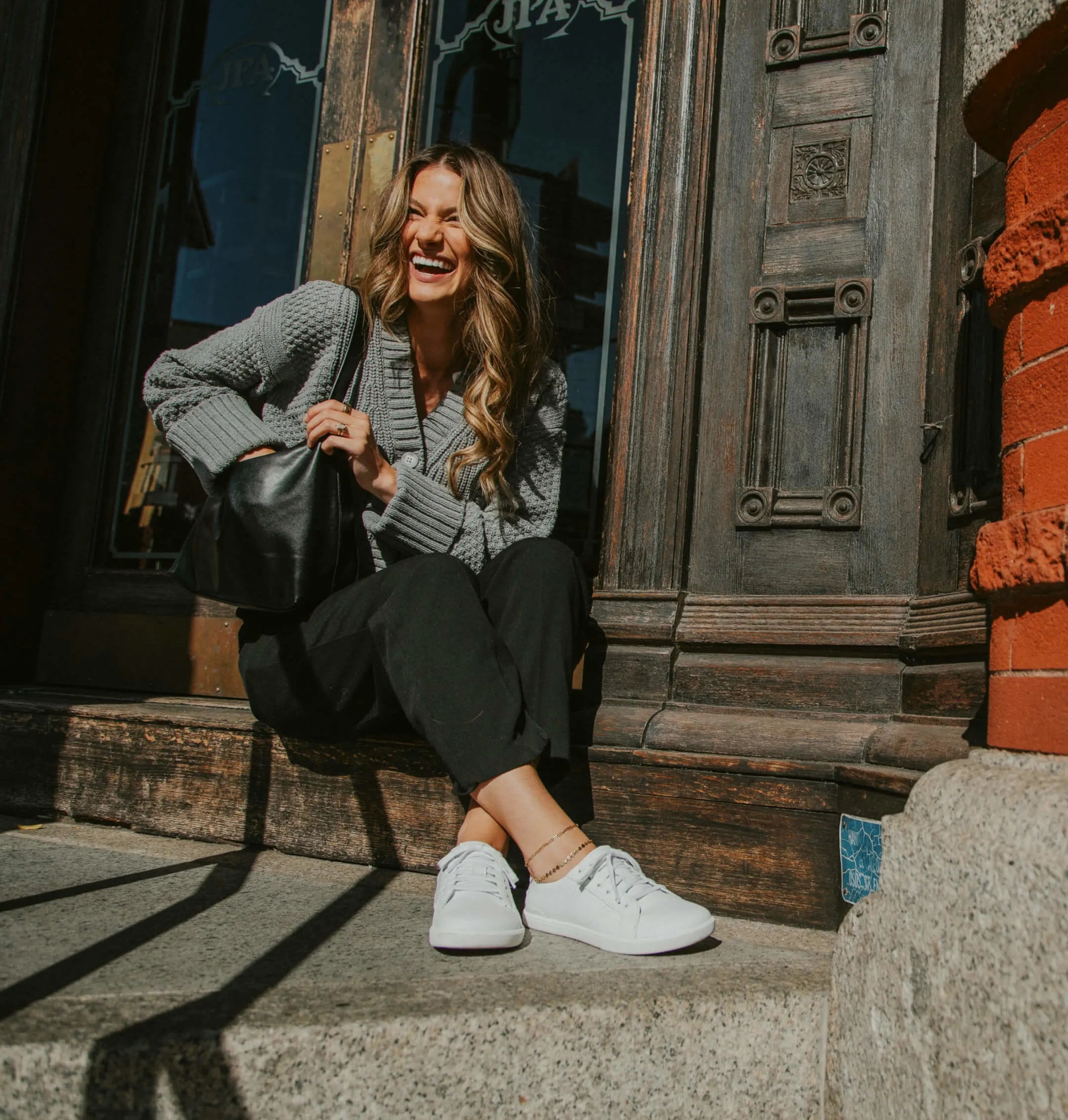
An In-Depth Look at Barefoot Shoes
Overview of Barefoot Shoes
Barefoot shoes, commonly referred to as minimalist footwear, focus on providing a natural experience during walking or running, mimicking the feeling of being barefoot.
These shoes feature a thin sole, minimal cushioning, and a flexible design, promoting a more authentic connection to the ground.
Barefoot running shoes primarily function to facilitate effective muscle engagement in the foot, which aids in developing a more efficient running form.
With growing awareness among consumers about the potential advantages of barefoot shoes, such as increased foot strength and better posture, interest in minimalist footwear is rising, attracting both athletes and casual users.
The emergence of barefoot shoes signifies a movement away from traditional shoes that usually have excessive cushioning and support.
Findings reveal that traditional designs may contribute to foot weakness and harm biomechanics as time progresses.
On the other hand, barefoot shoes support a natural gait and enhance balance, all while fortifying the intrinsic muscles of the foot.
Vibram, Merrell, and Xero Shoes are examples of brands that have helped popularize this trend, providing a selection of styles suitable for different activities, from running to daily wear.
Moreover, the lightweight and breathable fabrics used in these shoes ensure comfort without sacrificing performance.
For consumers interested in transitioning to barefoot shoes, gradual adaptation is essential.
Commence your transition by introducing brief sessions of barefoot running shoe wear into your daily routine, enabling your feet to adjust to minimal cushioning.
Starting with gentle exercises to strengthen your feet and ankles, like toe curls and calf raises, is recommended.
Gradually, you may extend both the duration and intensity of usage, promoting a more natural walking style.
Understanding the core concepts of barefoot shoes and mindfully managing your transition can lead to advantages in adopting a more health-conscious and connected movement style.
Advantages of Barefoot Shoes
Natural footwear aim to imitate the natural feel of being barefoot and still offering essential protection. One of the primary benefits of wearing barefoot shoes includes the enhancement in the power of the foot. Conventional shoes often hinders natural foot movement, resulting in weakened muscles over time. Unlike traditional footwear, barefoot shoes support the use of muscles within the feet, enabling them to strengthen and boost functionality. As an illustration, a runner who moves to barefoot shoes may feel enhanced stability and agility owing to the amplified engagement of these muscles, which allows for superior grip and balance in different activities.
Moreover, barefoot shoes enhance posture, which is fundamental for overall body alignment and health.
Conventional shoes, due to their elevated heels, can impair proper standing posture and cause spine misalignment.
Barefoot shoes, featuring flat soles, support a more instinctive walking and running style.
For instance, athletes who use barefoot shoes in their workouts often demonstrate this effect.
Such athletes frequently notice a decrease in lower back discomfort and enhanced body alignment.
This ultimately leads to enhancements in their athletic performance.
In addition, feet-friendly shoes are important for avoiding injuries. Various common running ailments, notably arch pain alongside stress fractures, stem from unsuitable shoe options. Barefoot shoes encourage a midfoot landing in place of a heel landing, decreasing pressure on the joints. Easing into using barefoot shoes permits the system to become accustomed, thereby lowering the likelihood of injury. A viable plan could be initiate with short walks or runs in these shoes and progressively enhance intensity and length in line with comfort. This plan gets the body ready ensuring maximum the injury prevention benefits.
At last, the sensory experiences associated with barefoot shoes prove to be a valuable asset. These thin soles enable users to feel the surface below them, enhancing their proprioception, which is the awareness of body position and movement. This sense of awareness supports a more natural understanding of balance and where to place the feet, which can greatly benefit athletes and fitness fans. For newcomers to barefoot shoes, engaging in activities like yoga or simple walks can enhance this sensory feedback, which aids in achieving better coordination and enhanced performance in more vigorous sports. Bringing barefoot shoes into your everyday life can lead to a range of health benefits that reach well beyond foot health alone.
Categories of Barefoot Sneakers
Barefoot shoes are gaining popularity among those who desire a more natural method of running or walking.
Various types of barefoot shoes meet specific activities and personal needs, ensuring that customers can select the perfect style for their lifestyle.
Among these, barefoot running shoes are designed to mimic the feel of running barefoot while providing protection to the feet.
These shoes generally come with a low heel-to-toe difference, promoting a more natural walking pattern and enhancing forefoot or midfoot striking.
Notable models such as the Vibram FiveFingers and Merrell Vapor Glove highlight minimalist running shoes that focus on being lightweight and flexible, enhancing the user's sense of body position.
With outdoor enthusiasts in mind, barefoot hiking shoes include specialized traits designed for a variety of terrains, maintaining the primary principles of barefoot footwear.
They feature tough outsoles that deliver exceptional traction and flexibility, essential for navigating trails or rocky surfaces.
Furthermore, these shoes are typically made from water-resistant or breathable materials, allowing them to adjust to different weather scenarios.
Models including the Xero Shoes TerraFlex and Vivobarefoot Primus Trail are highly recommended because they supply required support for long-distance hikes while allowing natural movement of the foot.
In selecting barefoot hiking shoes, it's important to take into account fit, climate, and the specific conditions of your hiking trails for optimal performance.
Barefoot casual shoes utilize a sleek aesthetic for daily use, combining fashion with convenience. These shoes usually feature a classic aesthetic and are lightweight, which makes them ideal for different situations. Labels like VivoBarefoot as well as Wildling Shoes provide choices which support foot health but also cater to those who are fashion-forward. One key feature of these minimalist shoes includes their wide toe box, which allows toes to spread naturally. When selecting these types of shoes, look for multifunctionality, breathable materials, along with a flexible footbed suitable for routine tasks without sacrificing comfort or fashion.
In conclusion, barefoot work shoes are built to blend minimalistic principles with the appropriate safety measures for job environments. These footwear options focus on comfort, supporting long hours of use, and also ensure slip resistance and strong durability. Models such as the Lems Mesa and Argis Lite offer crucial features like a zero drop and lightweight design. In the process of choosing barefoot work shoes, consider the distinct demands of your job, including potential hazards, and ensure compliance with any required safety standards. By evaluating these elements, you can enjoy the perks of barefoot shoes while remaining comfortable and protected in your workplace.
Selecting the Appropriate Barefoot Footwear
Choosing barefoot shoes involves understanding your foot type, activity level, and personal preferences.
First, assess your foot type; determining if you have a high arch, flat feet, or a neutral arch is crucial.
For example, people with high arches tend to need additional cushioning and support, while those with flat feet might find a more stable design with light arch support beneficial.
It is a good idea to visit a local shop that specializes in minimalist footwear since the staff can help analyze your gait and foot structure.
This examination is crucial for ensuring that the shoes you choose correspond to your anatomical requirements, thus enhancing comfort and functionality.
Next, evaluate your activity level. If you are an athlete or enjoy outdoor activities like hiking or trail running, look for barefoot shoes specifically designed for these pursuits. For example, brands like VivoBarefoot and Merrell offer models with added traction and durability suited for rugged terrains. Conversely, if your activities are more casual, such as walking or light jogging, a more straightforward model with a flexible sole might be adequate. When choosing shoes, pay close attention to their sole thickness, flexibility, and weight since these elements greatly impact performance and the overall user experience. Your decision should reflect how you expect to use the shoes in your everyday activities.
Selecting barefoot shoes heavily depends on personal preferences. Choosing a shoe that you love to wear is essential, as style, color, and materials can have a big impact on your satisfaction. For those who prefer natural materials, shoes made from leather or organic cotton are ideal choices. Conversely, if sustainability is high on your list, you will find many brands that concentrate on eco-friendly methods. Testing shoes for comfort is critical; take time to walk around the store and simulate activities you’ll do while wearing them. Take note of any discomfort or pressure points that may occur, because this can guide you in identifying the right fit and style for your feet.
Ultimately, merging all these aspects—foot type, activity level, and personal preferences— ultimately results in a clearer choice regarding deciding on minimalist footwear. You might want to keep track of your findings from visits to stores or online research to list the styles that match your standards. Furthermore, becoming part of online communities focused on minimalist footwear may present information and reviews shared by other users. These networks frequently talk about their individual experiences, helping in making your selection process easier. Considering these details boosts your quest in discovering the right pair of barefoot shoes that blend effortlessly into your daily routine.
The Best Five Barefoot Shoes for 2025
For 2025, a fantastic range of barefoot shoes has emerged, aimed at satisfying the rising need for minimalist footwear that combines comfort and useful features.
In the lineup of best barefoot shoes for 2025, the Vivobarefoot Primus Lite III is particularly distinguished by its featherlight design and superb flexibility.
This model is crafted for daily use as well as sports, boasting a breathable mesh upper and a specialized sole that facilitates natural foot movement.
Customers have noted that it creates a barefoot-like experience while ensuring decent protection and grip, making it a suitable option for both runners and everyday wearers.
Its sustainability also adds to its appeal, as it uses recycled materials in its design, aligning with eco-conscious consumer values.
One of the best contenders in the minimalist shoes 2025 category is the Merrell Vapor Glove 4.This footwear provides a snug fit that enhances stability, making it suitable for trail running and other outdoor adventures.The shoe features an outsole that is crafted for superior traction, ensuring that you stay grounded on different surfaces. The distinguishing feature of the Vapor Glove 4 is its zero-drop platform, promoting a natural stride, which is particularly beneficial for those transitioning to barefoot running.The shoe's lightweight and streamlined design are perfect for those who appreciate agility and responsiveness in their footwear,boosting performance while maintaining comfort. For those in search of shoes for outdoor activities, the Merrell Vapor Glove 4 is a top choice.
If you're looking for versatile footwear, the Xero Shoes Prio should be on your list. This model offers superb comfort and protection while enabling natural foot movement. With its flexible sole and adjustable fit, the Prio is perfect for various activities, from hiking to gym workouts. Notably, the shoe has a durable build designed to withstand rugged conditions, all while providing a barefoot-like feel. It's been mentioned by users that the shoe supports foot health by encouraging proper biomechanics and decreasing injury risks. If you're looking for a versatile performance shoe that reflects minimalism, the Xero Shoes Prio is worth considering.
Finally, the Altra Escalante Racer caps off our roster of the top barefoot shoes in 2025. Even though it has a somewhat cushioned profile, it upholds the critical aspects of a minimalist shoe. With its generous toe box and light design, the Escalante Racer achieves a harmonious balance of comfort and fluid foot motion. Runners who value a touch more cushioning, yet want to stay faithful to the barefoot feel, particularly like this shoe. With its responsive nature and light agility, it stands out as a great option for enhancing the running journey without compromising on barefoot benefits. Selecting from these premier barefoot shoes promises an excellent combination of performance and foot wellness in 2025.
FAQs
Barefoot shoes are specialized footwear designed to mimic the feeling of walking or running barefoot.|They feature minimal cushioning, a wide toe box, and a check this blog flexible sole, allowing your foot to move naturally.} These shoes promote a more natural gait, enabling better foot strength and alignment while providing feedback from the ground beneath.
Utilizing barefoot shoes can lead to greater foot strength and flexibility, improve balance, and support a natural gait pattern. Individuals frequently mention enhanced comfort and diminished foot pain, particularly for individuals moving away from conventional footwear. Furthermore, wearing barefoot shoes can contribute to building the strength of the muscles in your feet and lower legs over time.
Barefoot shoes might not work well for those experiencing specific foot issues or injuries, like plantar fasciitis or extreme overpronation.
If you have existing foot issues, consulting with a healthcare professional is essential prior to transitioning to barefoot shoes.
Those with healthy feet can often find barefoot shoes beneficial, though it's crucial to ease into them.
It is important to transition to barefoot shoes slowly to minimize the risk of injury.
Start by wearing them for short durations, such as 30 minutes to an hour each day.
Prolong the time you wear them as your feet adapt.
In this early stage, it’s wise to include exercises that strengthen your feet while steering clear of high-impact activities.
Yes, barefoot footwear have become popular among runners seeking a more natural running experience. They encourage proper running form and can reduce the potential of injury risks. On the other hand, individuals running ought to slowly ramp up their distance in barefoot shoes, as the reduced cushioning might prove to be challenging for beginners or individuals who are familiar with classic shoes.
To clean barefoot shoes, you generally need to use a soft brush or cloth to eliminate any dirt and debris.
A lot of models are suitable for machine washing; however, it’s essential to verify the care instructions provided by the manufacturer.
You should let them air dry because heat might damage the shoe’s materials.
Regular cleaning can keep them looking fresh and extend their lifespan.
As you look for barefoot shoes, consider elements such as fit, flexibility, and breathability. Focus on finding a roomy toe box that supports natural toe splay along with a light design. In addition, ensure the sole is sufficiently thin to provide ground feel while maintaining comfort. Remember to think about your intended use, whether for everyday wear or specialized sports.
Conclusion
In conclusion, barefoot shoes represent an innovative way to approach footwear, stressing the importance of natural movement, better foot health, and increased sensory feedback.
This guide reviewed the various benefits of barefoot shoes, such as encouraging improved posture, bolstering foot muscles, and lowering the chances of injuries generally tied to traditional footwear.
We further examined the key elements to consider in finding the right pair, including the importance of flexibility, minimal cushioning, and a wide toe box.
If you're considering adopting barefoot shoes, it's vital to proceed gradually, enabling your feet to adapt to this new footwear. Regardless of whether you are an athlete looking to boost your performance or an everyday user concerned with comfort and well-being, applying the strategies mentioned can enhance your walking experience in a more natural and enjoyable way.
Capitalize on this chance to reconnect with the surface beneath your feet and acknowledge the diverse benefits that barefoot shoes have to offer.
{Begin your journey toward a healthier lifestyle today—your feet will be grateful for it!|Start moving towards a healthier lifestyle now—your feet will appreciate the decision!|Take the first stride toward a healthier way of life today—your feet will express gratitude for it!|Commence your path to a better lifestyle today—your feet will certainly thank you for it!|Launch your journey to improved well-being today—your feet will be thankful for this choice!
Comments on “Can barefoot shoes help prevent injuries?”